
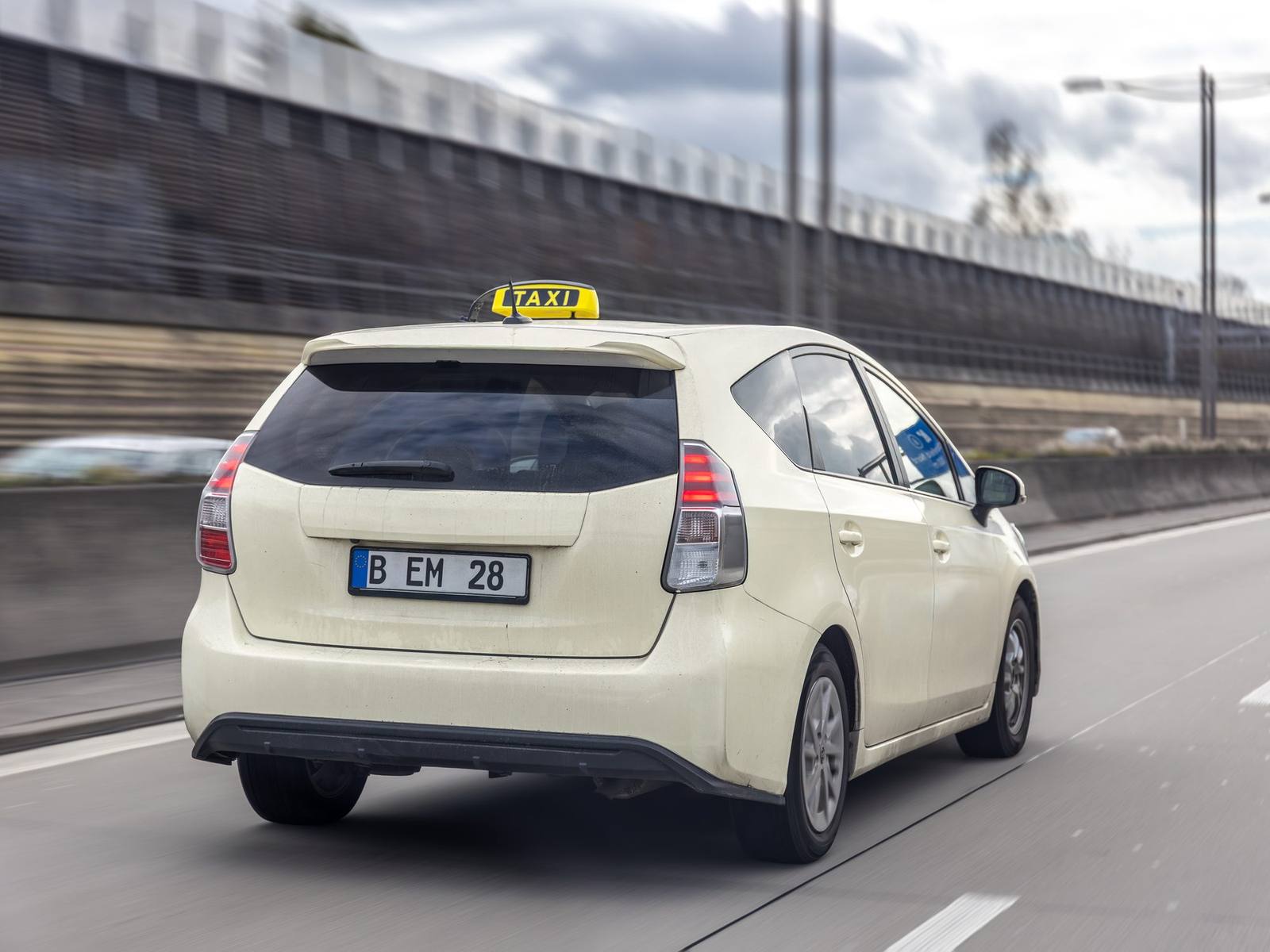
Taxi work across the Caribbean runs on the same things everywhere: airport arrivals, hotel and cruise traffic, locals who need a reliable ride and businesses that need transport they can trust. Starting a taxi business on any island means getting the paperwork right, choosing vehicles that fit the trips you want, finding good drivers and making it easy for customers to book you. This guide walks through each step, whether you are starting with one car in Kingston, Nassau or Bridgetown, or turning a few drivers into a proper company.
1. Decide what kind of taxi business you are building
“Taxi business” covers very different work. Before you spend money, be clear which of these you are going after, because it decides your vehicles, your licences and your pricing:
- On-demand local rides. Short trips around town, booked by phone, app or at a stand. High volume, lower fares, lots of repeat riders.
- Airport and hotel transfers. Pre-booked, higher fares, often paid in US dollars by visitors. Reliability matters more than anything else.
- Tours and excursions. Half-day and day trips for visitors and cruise passengers. Bigger vehicles, longer jobs, strong word of mouth.
- Charters and contract work. Weddings, churches, schools, staff transport. Fewer, larger bookings, often agreed weeks ahead.
Most successful operators start with one or two of these and add the rest as the fleet grows.
2. Get licensed the right way on your island
Every Caribbean country regulates passenger transport differently, and the rules change, so check the current requirements with your local transport authority before you buy a vehicle. In most places you should expect to need:
- A business registration for your company.
- A licence or permit for each vehicle to carry paying passengers, often with special plates or markings.
- Drivers licensed for public passenger work, which can involve a separate badge, permit or police record check.
- Commercial passenger insurance on every vehicle. Private car insurance will not cover paid trips.
- Regular vehicle inspections or fitness certificates.
- An extra approval if you want to carry tourists, run tours or work airport and cruise ranks, which some tourism boards and airport authorities control separately.
Keep copies of every document for every car and driver in one place, with renewal dates. Hotels, cruise lines and corporate clients will ask for them, and a lapsed permit can take a vehicle off the road at the worst moment. A fleet and driver management tool makes this much easier once you have more than a couple of cars.
3. Choose vehicles that fit your trips
Pick vehicles for the work you planned in step one, not the other way round:
- Sedans for local rides and couples heading to the airport. Cheap to run and easy to park.
- Minivans and vans for families, luggage-heavy airport runs and small tour groups. On tourist routes, a van often earns more per trip than two sedans.
- Coasters and minibuses for charters, cruise excursions and wedding shuttles.
Air conditioning, clean seats and enough boot space for suitcases matter more to visitors than the model year. Budget for maintenance from day one: a car that is off the road for a week loses you far more than the repair bill.
4. Set clear, fair prices
Unclear fares are the fastest way to lose trust, especially with visitors who do not know local rates. Decide how you will price each type of trip:
- A base fare plus distance for local rides.
- Fixed route prices for airport transfers and popular hotel runs.
- Per-vehicle prices for tours and charters, so a group knows the full cost upfront.
- Clear rules on waiting time, extra stops, late-night trips and which currency you quote in.
Publish your prices where riders book, so the fare is agreed before the trip starts. Our guide to setting vehicle types and fares goes into more detail.
5. Hire and train drivers who protect your name
Your drivers are your brand. One rude driver or one missed airport pickup can cost you a hotel account. When you hire:
- Check licences, driving records and police records before anyone carries a passenger.
- Agree how drivers are paid, whether they are employees, commission drivers or owner-drivers, and put it in writing.
- Train them on your standards: punctuality, clean vehicles, how to greet visitors, how to handle cash and card fares.
- Use rider ratings to spot your best drivers and follow up quickly on any complaint.
6. Make it easy to book you
This is where many new taxi businesses fall behind. If the only way to book you is to call one person’s phone, you will miss jobs every time that person is driving or asleep. Customers now expect to book a ride on their phone, see the price, and watch the car arrive.
You have three options: rely on global ride-hailing apps, build your own app, or use a white-label booking app under your own name. Ride-hailing apps bring riders but take a large share of each fare and keep the customer relationship. Building your own app is expensive and slow, as our post on what a taxi app costs explains. A white-label app gives you your own branded app without the build.
With Conduence, your company gets a rider app on the App Store and Google Play under your name, a driver app and a dispatch dashboard. You keep 95% of every completed app booking, and you can be live in up to four weeks.
7. Organise dispatch from day one
Even with three cars, someone needs to know which driver is free, which job is next and which airport pickup is tomorrow at 5 a.m. Write it on a whiteboard if you must, but a dispatch board where app, phone and WhatsApp bookings sit together will save you missed jobs and double bookings as you grow. See our checklist on choosing taxi dispatch software.
8. Win your first regular customers
Steady work comes from relationships. Visit the hotels, guest houses, villas, offices and schools near you. Offer reliable airport transfers, receipts in your company name and one number or app to book through. Our guides on getting more taxi customers and winning corporate and hotel accounts cover this step by step.
9. Track your numbers
From the first month, know how many trips you did, your average fare, your fuel and maintenance costs and which drivers and customers bring in the most. These numbers tell you when to add a vehicle, which routes to push and which work is not worth taking. Use our earnings calculator to see what an app could add to your monthly takings.
Ready to start?
Starting a taxi business in the Caribbean is very doable with the right licences, vehicles, drivers and a simple way for customers to book you. If you want your own booking app from the start, get a free proposal and we will show you what it would look like with your company’s name on it.